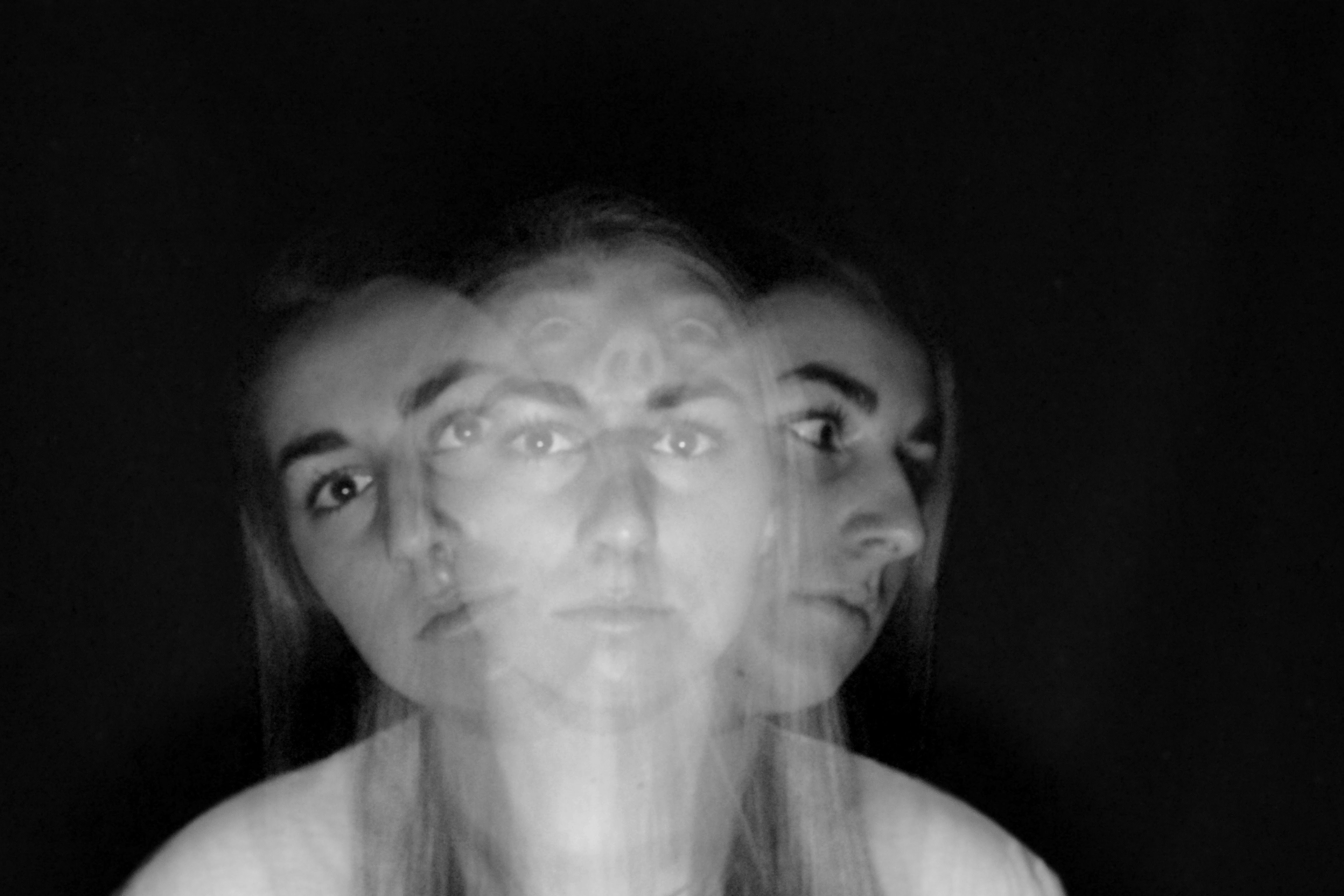
Every PhD student has heard of imposter syndrome. Most have felt it. A significant number have been consumed by it for months or years without ever understanding why it was happening or what to do about it.
The standard advice is always the same: believe in yourself, remember that everyone feels this way, talk to someone. It is well-intentioned and almost entirely useless in practice.
This article offers something different. Not reassurance. A diagnosis.
What imposter syndrome actually feels like
It is not one voice. It is three, running simultaneously.
*I am not smart enough to be here.* That one arrives early, usually in the first weeks of a PhD program, when everyone around you seems to already know things you are still learning.
*I do not belong here.* That one arrives a little later, once you have been in the environment long enough to feel the gap between what you expected and what you are experiencing.
*Everyone else knows what they are doing and I am the only one who does not.* That one is perhaps the most damaging, because it is the most isolating. It makes you quiet in the exact moments when you most need to speak.
All three together is not a mild case of imposter syndrome. It is the full experience. And it is far more common than academia wants to admit.
The moment of recognition
There is a specific moment that most researchers who have been through this can identify clearly. The moment when they finally told another PhD student or postdoc how they were feeling, and the other person said: me too.
It is disorienting and relieving in equal measure. Disorienting because you spent months assuming you were uniquely broken. Relieving because the evidence that you are not is now sitting across from you, also slightly embarrassed, also confessing that they have been carrying the same weight.
That moment of recognition matters more than any individual piece of advice, because it breaks the silence that imposter syndrome depends on to survive. The information alone helps. Knowing that the experience is common actually reduces it.
Which means that part of the problem, a significant part, is isolation. Researchers suffering in private, each convinced they are the exception.
The real cause
Here is what the standard imposter syndrome conversation almost never addresses: the environment creates it.
Imposter syndrome in academia is not primarily a psychological problem. It is a structural one. The most consistent trigger is the absence of structure in research environments.
When a PhD student does not know what they are supposed to be doing this week, or this month, or toward what specific milestone, they fill that uncertainty with self-doubt. When progress is invisible, when there are no clear metrics for what good work looks like, when the goalposts move without explanation, the natural human response is to assume the problem is with you rather than with the environment.
A bad supervisor makes this catastrophically worse. Not because they are necessarily cruel, though some are, but because an absent or unsupportive supervisor leaves a researcher entirely alone with their uncertainty. And when things go wrong, as they inevitably do in research, a supervisor who blames everything on the researcher rather than examining the conditions does not just fail to help. They actively construct the psychological conditions for imposter syndrome to thrive.
The supervisor who mentors does the opposite. They create structure. They check in regularly. They normalize difficulty. They make it safe to not know things.
The cultural dimension
There is something else that rarely appears in imposter syndrome articles: the role of cultural environment.
The same researcher can feel completely different levels of imposter syndrome depending on where they are working. In some academic cultures, asking a basic question in a meeting is normal. In others, it is treated as evidence of incompetence. Researchers in those environments learn very quickly to stay silent, and silence feeds imposter syndrome because it prevents the reality check that comes from discovering your question was not stupid at all.
If you have worked in both kinds of environments, the contrast is striking. The research is the same. The questions are the same. But the psychological experience is completely different, because one culture normalizes not knowing and the other punishes it.
This is important because it means imposter syndrome is not a fixed property of a person. It is a property of a person in an environment. Change the environment and you change the experience.
What actually helps
Not confidence. Structure.
The most practical insight from people who have been through imposter syndrome in academia and come out the other side is not that they eventually started believing in themselves. It is that they eventually created or found environments with enough structure that self-doubt stopped filling the vacuum.
Structure means knowing what you are working on and why. It means regular, substantive check-ins with your supervisor. It means clear milestones with agreed timelines. It means having somewhere to put your uncertainty that is not entirely inside your own head.
If you are in the middle of imposter syndrome right now, the most useful thing you can do tomorrow morning is not to repeat affirmations in the mirror. It is to write an email to your supervisor asking to establish a regular meeting structure, agreeing on near-term goals, and getting their responses in writing.
That last part matters more than it might seem. Written agreements create accountability. They create a record. If you agree in person that your supervisor will provide feedback on your draft by Friday and it does not happen, you have no leverage. If you have that agreement in an email, you do. Documentation is not paranoia. It is protection.
What imposter syndrome does not do
It does not go away completely as you advance in your career. Most researchers who are honest about this will tell you that it changes shape, but the underlying dynamic, the gap between what you are expected to know and what you feel you actually know, never fully disappears.
What does change, with experience and with wisdom, is the understanding that structure is available and that you are allowed to create it. That the absence of structure is a problem to be solved, not evidence of your inadequacy. That the supervisor who does not provide structure is failing in their role, not revealing something true about your capabilities.
The imposter syndrome conversation in academia needs to move from "believe in yourself" to "fix the environment." Not because belief is worthless, but because belief is easier to sustain when you are not working in a vacuum.
If you are a PhD student reading this right now
You are probably not the problem.
The voice that says you do not belong, that everyone else knows what they are doing, that you are not smart enough for this: it is not reporting facts. It is filling a vacuum.
Talk to someone. Not just for the relief of discovering you are not alone, but because the act of talking breaks the silence that makes imposter syndrome worse.
And then do something practical. Ask your supervisor for structure. Write it down. Keep the record.
The feeling will not vanish overnight. But it will become something you can work with rather than something that is working on you.
Imposter syndrome is one of the most under-discussed drivers of PhD student distress. If you are evaluating a potential supervisor, knowing how they handle uncertainty, whether they create structure or leave it to you, is one of the most important questions you can ask. Honest, anonymous reviews of supervisors at rateyourpi.com give you access to what researchers actually experienced working under a specific PI. 30 seconds. No login. No trace.